
The science inside Premotiv®
Twenty years of nanoparticle research at Estonia’s National Institute of Chemical Physics and Biophysics, turned into a dressing that is now in one of the largest clinical trials in diabetic foot ulcers.
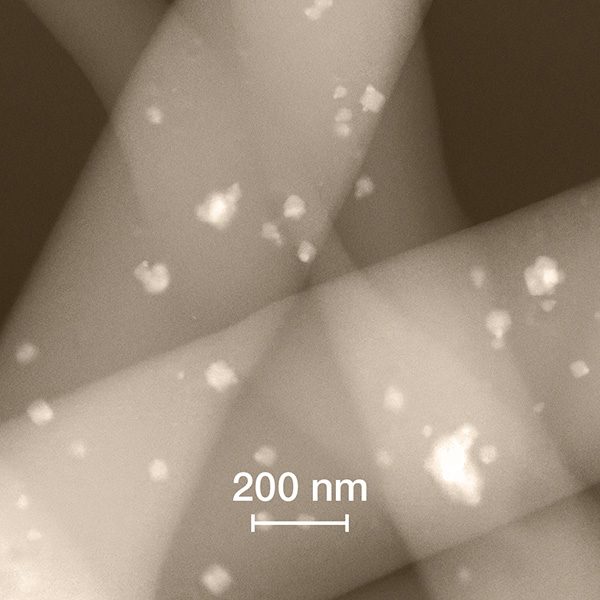
Particles you can only see under an electron microscope
Synergistic antibacterial nanoparticles are blended into natural silk nanofibres. The combination of copper and silver compounds is more effective together than either alone, which is the core of Premotiv® nanotechnology.
In laboratory tests of the veterinary version, the dressing was less toxic to human cells than other antibacterial dressings and showed the highest antibacterial activity against Staphylococcus aureus.
Infection control and wound closure
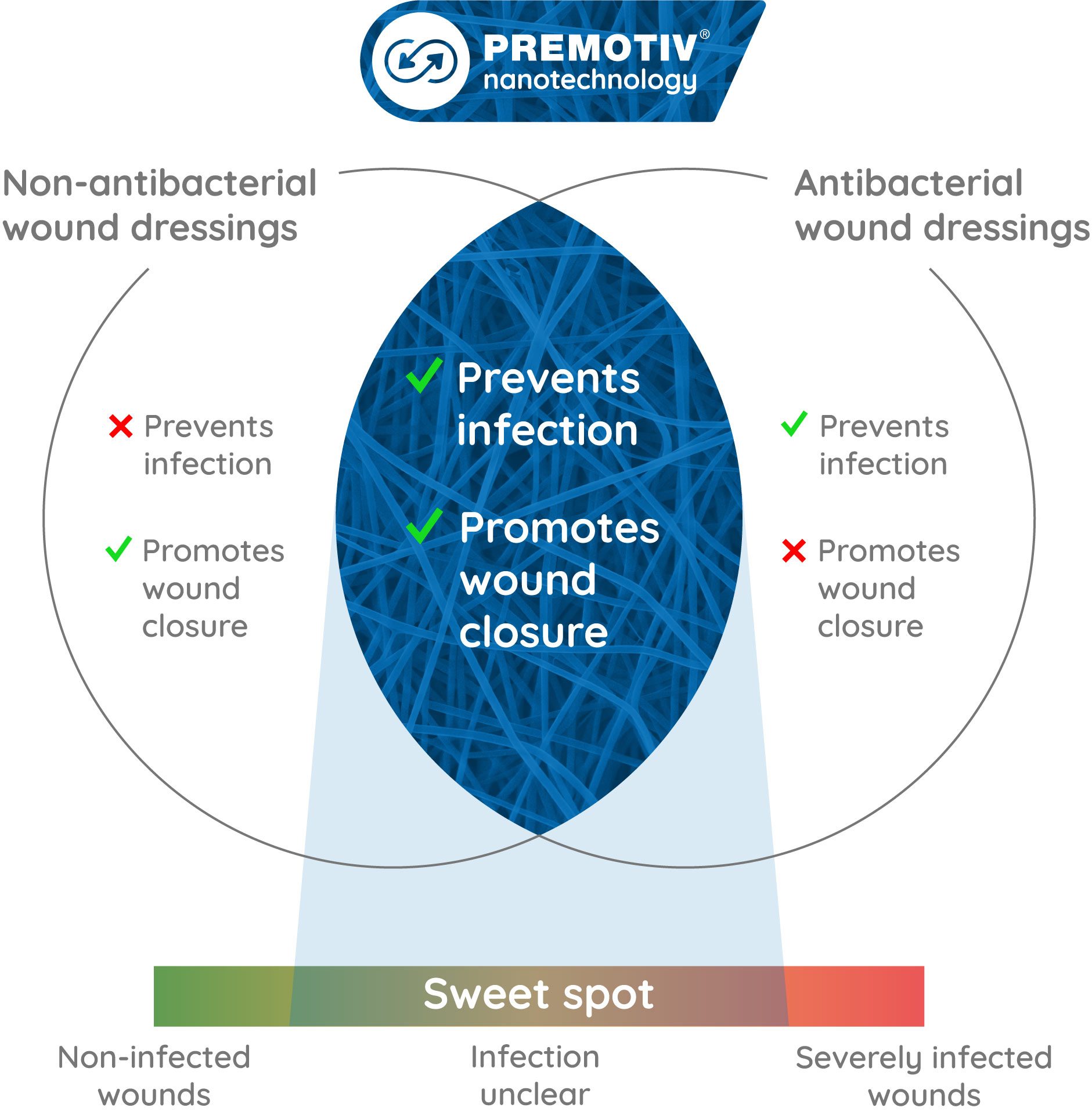
Non-antibacterial dressings support wound closure but do not prevent infection. Conventional antibacterial dressings prevent infection but can hold back closure.
Premotiv® is designed to sit in the sweet spot: preventing infection and promoting wound closure at the same time, across non-infected, unclear and severely infected wounds.
The randomised controlled trial
Published in the Journal of Wound Care. The study concluded that the Premotiv® dressing is both safe and effective for treating diabetic foot ulcers.
| Parameter | Detail |
|---|---|
| Setting | North Estonian Medical Centre (Põhja-Eesti Regionaalhaigla), Estonia’s largest hospital |
| Patients | 30 patients with diabetic foot ulcers, randomised into two groups |
| Comparator | Silver-ion (Ag+) wound dressing |
| Treatment | One week, three dressing changes |
| Efficacy measures | Wound area reduction, bacterial load, quality of life |
| Safety measures | Adverse events and blood levels |
| Wound area | −43% with Nanordica vs −13% with silver-ion dressing |
| Bacterial load | Stable with Nanordica, increased with silver-ion dressing |
Now: 11 centres, 120+ patients
A multicentre, double-blind randomised trial in diabetic foot ulcers is under way in Estonia and Spain. It is designed to generate the evidence for reimbursement, treatment guidelines and broad clinical adoption.
Prof. Dr. José Luis Lázaro-Martínez, Chair of the EWMA Diabetic Foot Committee and principal investigator
Recently opened centres
- Tartu University Hospital, Estonia
- Hospital de Alcorcón, Madrid
- Hospital Universitario Ramón y Cajal, Madrid
- Universidad Complutense de Madrid
- Clínica Universitaria de Podología, Universidad de León
Know a patient with a chronic diabetic foot ulcer in Estonia or Spain?
From the lab to the clinic
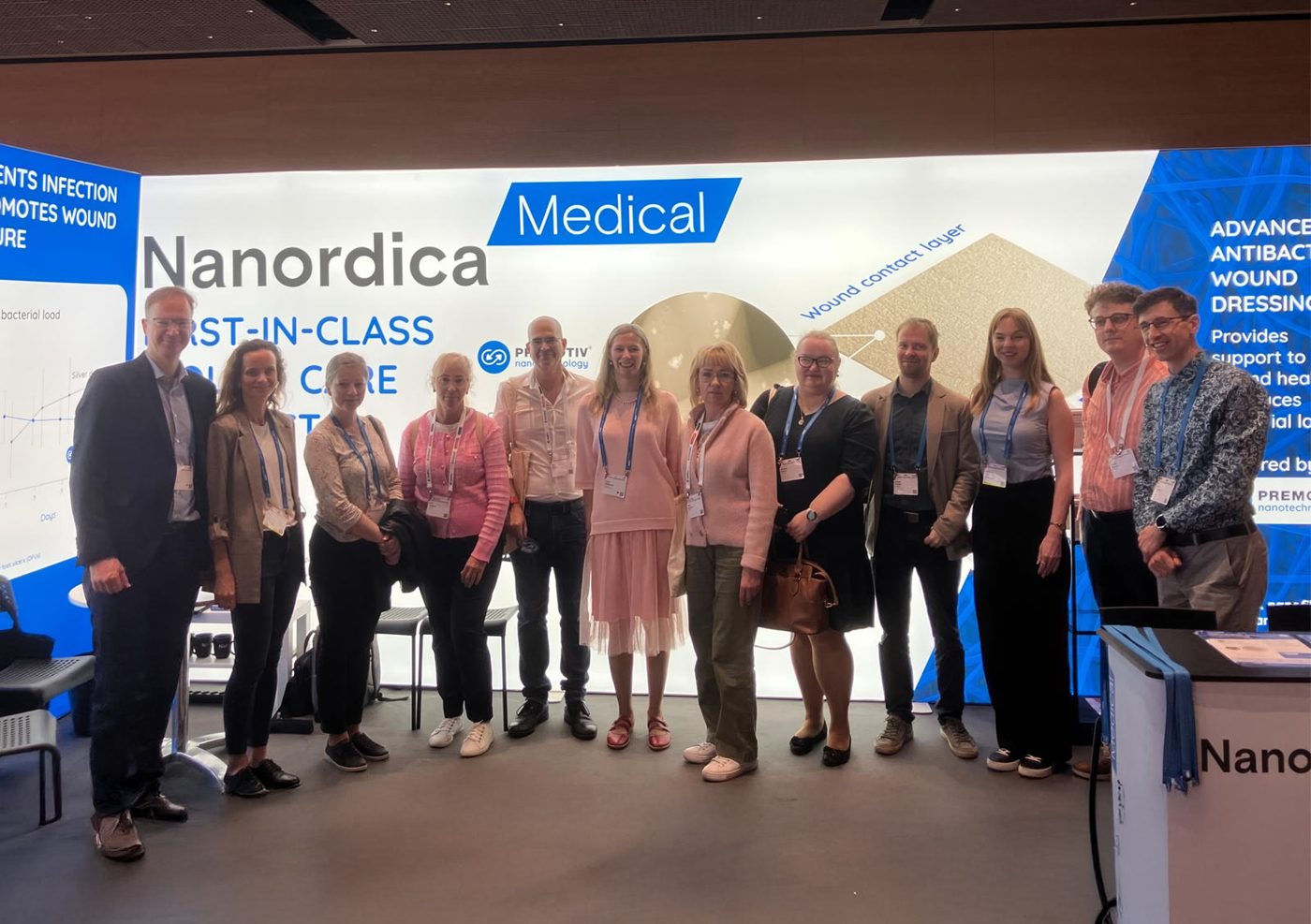
Nanordica Medical is a spin-off of the National Institute of Chemical Physics and Biophysics. Our quality management system is certified to ISO 13485:2016, and we are finalising CE marking for the European launch.